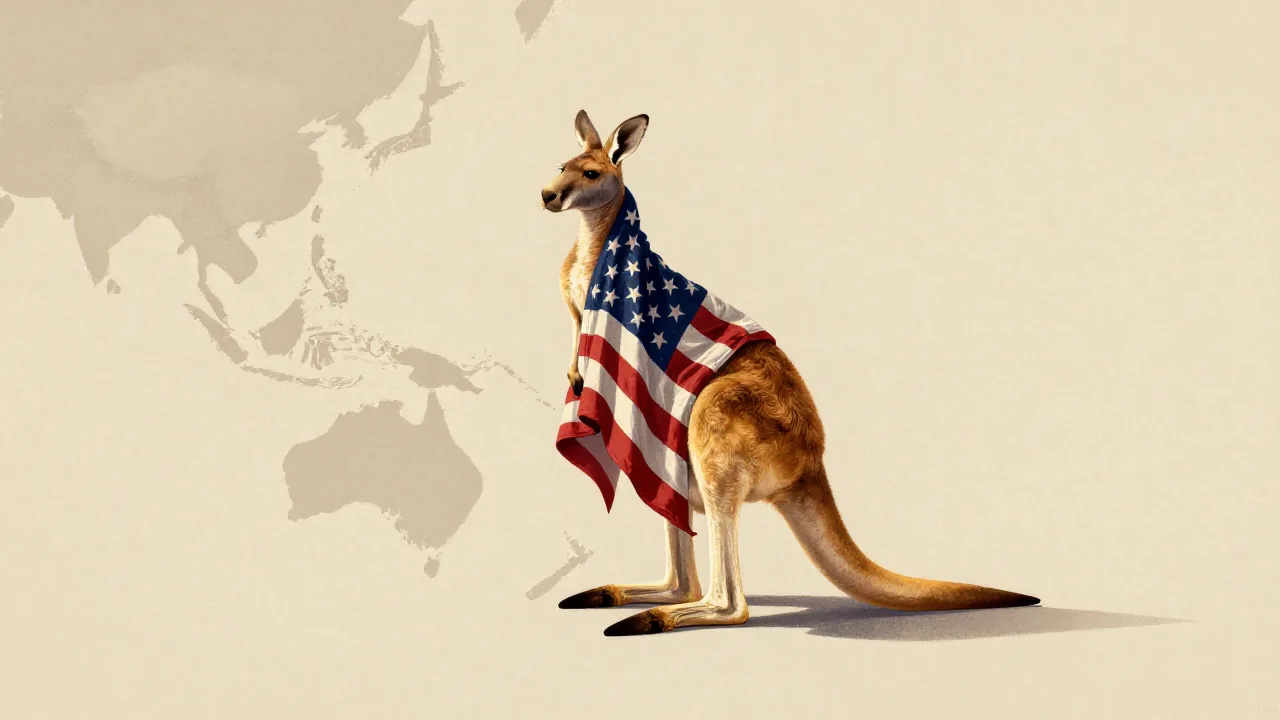
The United States is threatening to impose trade tariffs of up to 12.5% on 60 countries, including Australia, over their inaction on forced and slave labour worldwide.
美国威胁将对包括澳大利亚在内的60个国家征收高达12.5%的贸易关税,理由是这些国家在全球范围内对强迫劳动和奴隶制问题采取不作为态度。
Australian Prime Minister Anthony Albanese responded that a new tariff on exports to the US was “unjustified”, as Australia has “robust, comprehensive and world-leading legislation addressing forced labour and modern slavery”.
澳大利亚总理安东尼·阿尔巴尼斯回应称,针对对美出口的新关税“毫无根据”,因为澳大利亚拥有“健全、全面且世界领先的应对强迫劳动和现代奴隶制的立法”。
In a new report released by the US Trade Representative, 54 countries – including Australia, China, New Zealand and the United Kingdom – were found to have: failed to impose a legal prohibition on the importation of goods produced wholly or in part with forced labour and to effectively enforce such a prohibition.
在美国贸易代表处发布的一份新报告中,包括澳大利亚、中国、新西兰和英国在内的54个国家被认定未能对完全或部分由强迫劳动生产的商品进口实施法律禁令,也未能有效执行此类禁令。
These proposed forced labour tariffs appear to be less about labour rights and more about trade.
这些拟议的强迫劳动关税似乎与其说是为了劳工权利,不如说是为了贸易利益。
This latest move comes after US courts blocked US President Donald Trump’s sweeping international tariffs announced over the past year. That prompted Trump to pledge: “We get one ruling, and we do it a different way.”
这一最新举措发生在美国法院阻止唐纳德·特朗普总统在过去一年宣布的广泛国际关税之后。这促使特朗普承诺:“我们只得到一次裁决,那我们就换种方式来做。”
As former Australian ambassador to the US Joe Hockey said about the new forced labour tariff today, “America is running out of money and they need to get it from somewhere”.
正如澳大利亚前驻美大使乔·霍基今天对新强迫劳动关税所言:“美国的钱快花光了,他们得从某个地方搞到钱。”
While using tariffs as a way to strengthen action on forced labour is questionable, there is some substance behind the US allegations.
虽然利用关税来加强对强迫劳动的行动值得商榷,但美国的指控背后确实有一定的事实依据。
In 2018, Australia established its Modern Slavery Act. This law was hailed as a critical first step in acting on modern slavery.
2018年,澳大利亚通过了《现代奴隶制法》。该法律被赞为应对现代奴隶制的关键第一步。